Loading...
Serving Rancho Santa Margarita, CA and surrounding areas. (714) 439-5506
Your driveway is cracking and fading - we remove the old surface, prep the base for local clay soils, and give you smooth, solid pavement that holds up under Southern California sun.
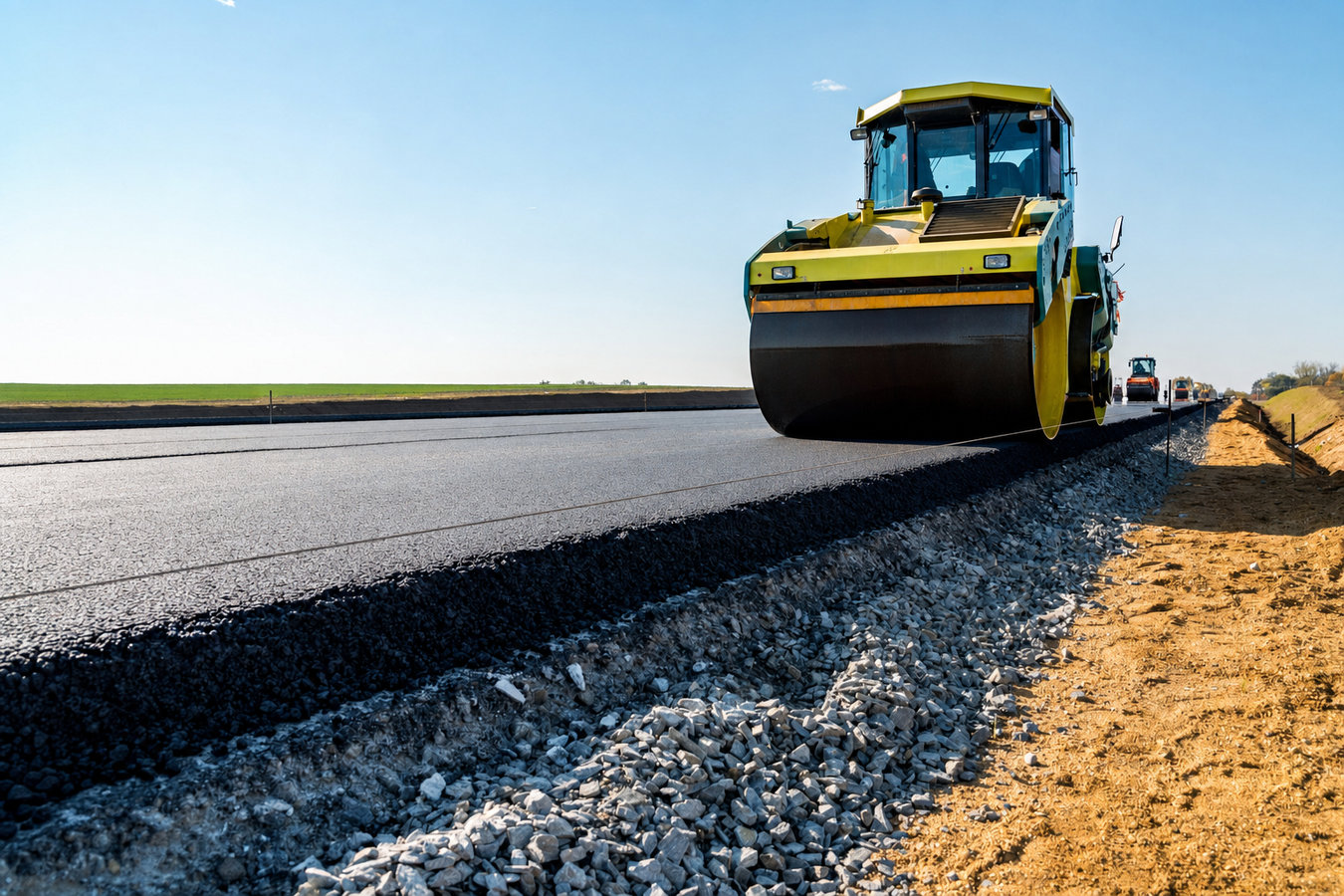
Asphalt paving in Rancho Santa Margarita involves removing the old surface, grading and compacting the ground underneath, then laying and rolling hot asphalt mix until it forms a smooth, solid slab - most residential driveways are completed in one to two days.
If your driveway is cracking, fading to gray, or holding water in low spots, those are signs the pavement has aged past the point where maintenance alone will help. The Saddleback Valley's intense UV exposure oxidizes asphalt binder faster than in most climates, which is why driveways here often need attention sooner than homeowners expect. If the surface damage is widespread, a full repave paired with asphalt resurfacing is usually the more cost-effective long-term move.
Homes in Rancho Santa Margarita were built mostly in the late 1980s through the 1990s, which puts a lot of driveways at or past the 25-to-35-year mark - right around the time full repaving becomes the smart call.
A network of small, interconnected cracks spreading across the surface - called alligator cracking for how it looks - means the base beneath has shifted or the asphalt has aged past the point where sealing helps. In Rancho Santa Margarita, the combination of clay soils and intense sun accelerates this breakdown, and patching individual cracks becomes a losing battle once the pattern is widespread.
Standing water after rain or irrigation means the driveway has settled unevenly or that drainage was not properly designed from the start. In a community where HOAs and neighbors notice curb appeal, a driveway that holds water is both a practical problem and a maintenance issue worth addressing before the surface fails further.
New asphalt is deep black. As it oxidizes under Southern California's strong sun, it fades to gray and small pieces begin breaking off at the edges. If your driveway looks more gray than black, the pavement has likely oxidized past the point where sealing will restore it - repaving is the more cost-effective long-term choice.
Depressions or holes in the surface signal that the base material has failed or washed out beneath the asphalt. Filling a pothole is a temporary fix - if you have more than one or two, or if they keep coming back, the underlying base needs attention and a full repave is likely the right answer.
Our asphalt paving work covers everything from full residential driveway replacements to small commercial lots. Every job starts with the base - we excavate the old surface, grade and compact the ground, and build up the aggregate base to a depth suited to the site's soil conditions. That prep work is what separates a driveway that lasts two decades from one that starts cracking within a few years. For commercial properties or larger paved areas, we also offer parking lot paving with grading, drainage planning, and final line striping included.
When the surface has aged but the base is still structurally sound, full removal is not always necessary. In those cases, asphalt resurfacing - laying a fresh layer over the existing base - can restore the surface at a lower cost. We will assess your specific situation honestly and recommend the right approach, not just the more expensive one.
Best for driveways with widespread cracking, base failure, or surfaces more than 20 years old.
Ideal for homeowners adding a driveway or converting an existing surface to asphalt for the first time.
Suited to small commercial or residential association lots needing a complete new surface with proper drainage and striping.
A cost-effective option when the existing base is sound and only the top layer needs renewal.
Two factors shape every paving job in this city: the clay soils and the sun. The foothills around Rancho Santa Margarita sit on soils with significant clay content. Clay expands when wet and contracts when dry, and that seasonal movement can push up or crack a paved surface if the base is not prepared to account for it. An asphalt company that understands local soil conditions will excavate to adequate depth and use a well-compacted aggregate base to isolate the asphalt from that ground movement. This matters more here than it would on a flat, sandy lot elsewhere in Southern California.
The UV intensity here is the other variable that sets this market apart. The Saddleback Valley gets strong sun for most of the year, which oxidizes the asphalt binder faster than in cooler or cloudier climates. Scheduling your project in the cooler months gives the surface more time to harden before it faces peak summer heat - and planning a sealcoat a few months after installation is the single best thing you can do to extend its life. We serve homeowners across the area, including those in Coto de Caza and Ladera Ranch, where similar soil and HOA conditions apply.
Contact us by phone or form and we will respond within one business day. We schedule a site visit to measure the area, assess the existing surface and base, and discuss drainage and access - so the quote reflects the actual job.
We walk the property, check slope, drainage, and soil conditions, and give you a written estimate that spells out base prep, asphalt thickness, and what is and is not included - no surprises on the final invoice.
The crew breaks up and hauls away the old surface, grades and compacts the base to account for local clay soils, then lays and rolls fresh hot asphalt mix. Most residential driveways are paved in a single day once prep is complete.
The surface needs 24 to 48 hours before light vehicle traffic. We walk you through the finished job, confirm drainage direction, and advise on when to schedule your first sealcoat - typically several months after installation once the asphalt has fully cured.
We visit your property, assess the base, and give you a written quote with no pressure and no guesswork. Respond within one business day.
(714) 439-5506We excavate to adequate depth and use a well-compacted aggregate base sized for the ground movement common in the Saddleback Valley foothills. That step is what separates a driveway that lasts from one that cracks and sinks within a few years.
Rancho Santa Margarita has a high concentration of HOA-governed neighborhoods. We know to ask about community requirements before any work begins, so you are not stuck redoing a job that did not meet your association's standards.
California requires paving contractors to hold a valid state license, which you can verify yourself at cslb.ca.gov. We carry general liability insurance and workers' compensation coverage - protections that matter if anything unexpected happens on your property.
Every quote we provide describes the scope in writing - base preparation method, asphalt thickness, removal of old material, and what is included. You know what you are paying for before work begins, and the final invoice matches.
The National Asphalt Pavement Association sets the industry standards our crews follow. That combination of trade standards, local soil knowledge, and a straight-forward process is why neighbors in this community call us when they need a driveway done right.
Complete parking lot installation for commercial and residential association properties, including grading, drainage, and line striping.
Learn MoreRenew a structurally sound surface by laying a fresh asphalt layer over the existing base - less disruptive and more affordable than full removal.
Learn MoreOur crews know the Saddleback Valley's soils and HOA requirements - get your project on the calendar before the summer heat arrives.