Loading...
Serving Rancho Santa Margarita, CA and surrounding areas. (714) 439-5506
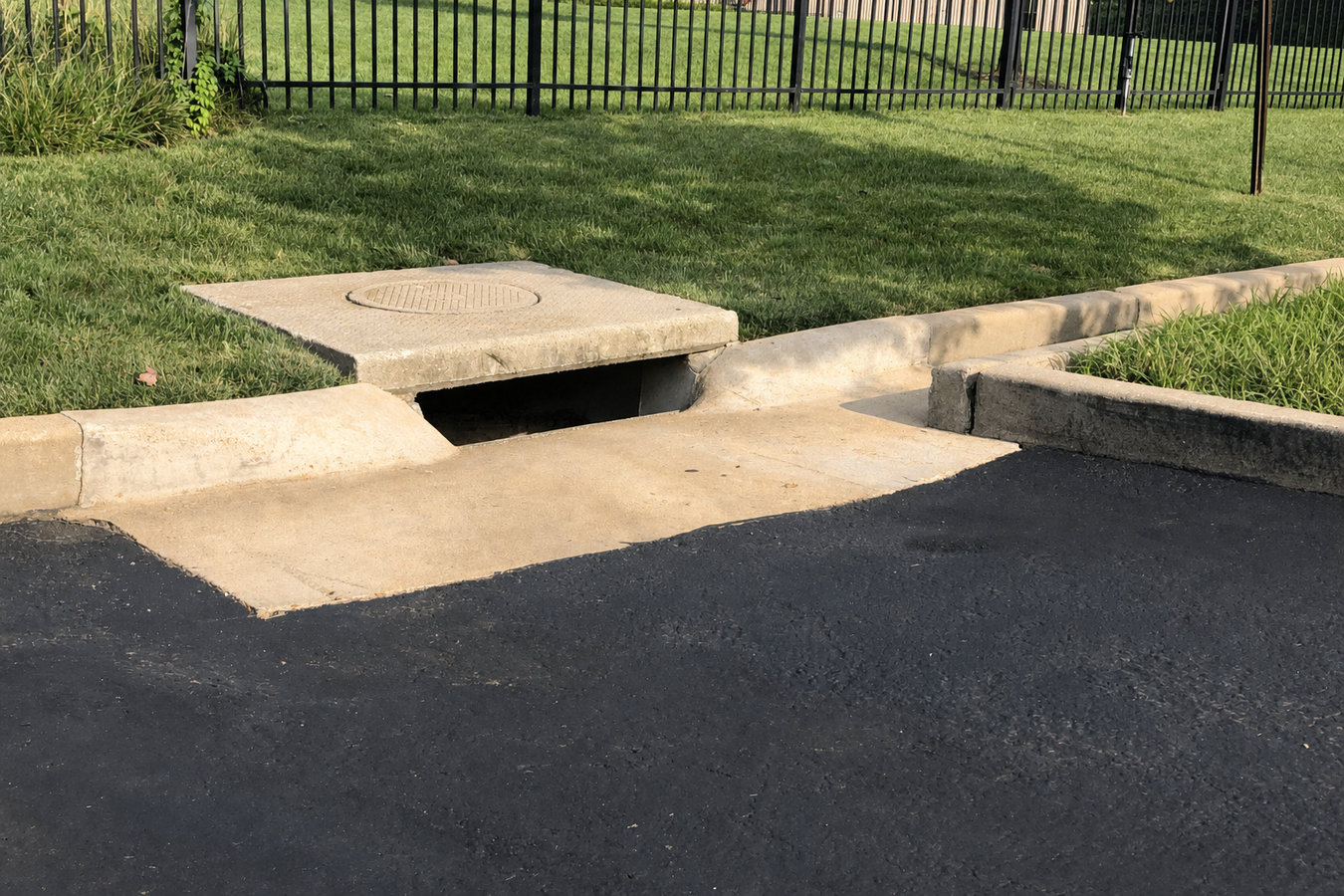
Pooling water on your driveway is slowly destroying the base underneath. We fix where the water goes so your pavement lasts and your garage stays dry.
Drainage solutions in Rancho Santa Margarita involve correcting how water flows off your paved surfaces - through regrading, channel drains, catch basins, or underground pipe routing - so water moves away from your home rather than toward it, with most projects completed in one to four days depending on scope.
If you have seen standing water on your driveway after a storm, that water is not just a nuisance - it is seeping under your asphalt and weakening the base that holds everything together. Rancho Santa Margarita gets most of its rain in short, intense bursts, and the dry, hard ground absorbs it slowly. That combination is hard on poorly graded surfaces. A properly designed drainage system gives that water a clear path off your property before it can cause damage. If you are already seeing cracks or soft spots, grading and excavation work is often done alongside drainage corrections to repair the base before new asphalt goes down.
Standing water that does not drain within a few minutes of a storm ending is a clear sign your surface is not shedding water correctly. In Rancho Santa Margarita, even moderate rainfall can collect quickly on a flat or poorly graded surface. Left alone, that pooling water accelerates pavement wear and creates a slip hazard.
When rain flows toward your home instead of away from it, you have more than a driveway problem. Water that repeatedly reaches your garage slab or the base of your foundation causes long-term structural damage that costs far more to fix than a drainage correction done now.
New cracks or areas that feel spongy underfoot are often the result of water getting under the pavement and weakening the base. In this area, the clay-heavy soils expand when wet and shrink when dry, which accelerates this breakdown. Water infiltration is likely already happening beneath the surface.
If you have already repaired cracking or resurfaced your driveway and the same problems are returning in the same spots, the underlying drainage has not been fixed. Repeated surface repairs without addressing where water goes are a sign that a proper drainage solution is overdue.
Every drainage project starts with understanding how water moves across your specific property. The most common residential fix is regrading the driveway surface so it sheds water to the sides instead of collecting in the middle. For properties with low points that collect runoff, we install channel drains or catch basins that capture water and route it to a safe outlet. When a more permanent solution is needed, underground pipe can carry water all the way to the street or a drainage swale. All of this work pairs naturally with speed bump installation if traffic calming is also on your property improvement list, since our crew is already mobilized and working the surface.
We handle the full scope of the job - excavation, base repair, drain hardware, and new asphalt - so you are not coordinating multiple contractors. After any drain installation, we check the slope before finishing to confirm water will flow the right direction. We also advise on any HOA approvals or city permits required before work begins, which is common in Rancho Santa Margarita for projects that connect drainage to a public right-of-way.
Best for homeowners whose driveway collects water in the middle or slopes toward the garage rather than away from it.
Best for driveways with a defined low point that collects runoff, especially hillside properties where water sheets down toward the garage.
Best for larger paved areas like parking pads or shared driveways where a single collection point needs to capture and redirect significant runoff.
Best for driveways where water has already softened or eroded the base, requiring excavation and base restoration before new asphalt is placed.
Rancho Santa Margarita sits in the foothills of South Orange County and gets most of its rainfall in concentrated bursts between November and March. The ground here - with its significant clay content - does not absorb water quickly when rain arrives. Clay swells when wet and shrinks when dry, which shifts the soil beneath your asphalt over time. That movement creates low spots where water collects, which then softens the base further, and the cycle accelerates. Many homes in this city are also built on graded hillside lots, meaning driveways often run up or across a slope. That slope pushes water toward your garage rather than away from it - a problem a flat-lot property simply does not have. Homeowners across Mission Viejo face similar hillside drainage challenges and call us for the same kinds of corrections.
Rancho Santa Margarita is also a master-planned community with active HOAs in most neighborhoods. Any visible change to your driveway - including a new drain grate or channel - may require HOA architectural approval before work begins. We are familiar with this process and can help you prepare the request. The hills surrounding the city also carry wildfire history: after a fire burns nearby vegetation, the first rains of the season produce unusually heavy runoff because the ground can no longer absorb water the way it did before. Properties near hillside open space may need drain components sized to handle more volume than a typical year brings. We serve clients throughout Coto de Caza and the surrounding foothill communities where these conditions are just as common.
Call or message us and tell us what is happening - pooling water, cracks, water near the garage. We reply within one business day and will schedule a site visit, because drainage work cannot be quoted accurately over the phone.
We walk the full drainage path - where water enters, where it pools, and where it needs to go - and use grade measurements to design the right solution. You get a written quote that covers excavation, drain hardware, and repaving so there are no surprises on billing.
If your neighborhood has an HOA - common in Rancho Santa Margarita - we advise you on whether the planned work needs architectural approval. For projects connecting drainage to the street or a public right-of-way, a city permit may also be required, and we handle the permit application.
Drain hardware is set and connected before new asphalt is placed. We check the slope before finishing to confirm water flows the right direction. Before we leave, we walk you through the project, confirm where water will now drain, and tell you exactly how long to stay off the surface - typically 24 to 48 hours for foot traffic.
We walk your full property - not just the driveway surface - so you get a quote that actually solves the problem. Free estimates, no commitment.
(714) 439-5506We look at where water enters your property, where it pools, and where it needs to exit before we quote anything. Contractors who skip this step and quote from a photo or description are setting you up for a partial fix - one that solves the surface symptom but not the cause.
The sloped lots and expansive clay soils common in South Orange County create specific drainage failure patterns we see and fix regularly. We know how to design solutions for properties where water sheets down a driveway toward the garage, not just flat-surface pooling.
Most Rancho Santa Margarita neighborhoods require HOA architectural approval before any visible driveway change. We know what associations typically ask for and can help you prepare the request, so you are not stuck waiting for multiple rounds of back-and-forth with your board.
California requires paving contractors to hold a state-issued license you can verify at cslb.ca.gov. We handle permit applications for drainage work that connects to public infrastructure, so the project is reviewed and approved before your driveway is affected.
We have built a reputation in this area by solving drainage problems completely, not just patching surfaces. When you call us, you get a contractor who understands the terrain, the soils, and the community rules - and who stands behind the work after the crew leaves.
For guidance on stormwater management standards in California, the California Stormwater Quality Association (CASQA) publishes best practice resources for contractors and property owners. The National Asphalt Pavement Association (NAPA) also sets industry standards for asphalt materials and installation quality.
Add traffic calming to a private road or parking area while your crew is already on site working the pavement.
Learn MoreCorrect the base grade and prepare the ground properly before drainage hardware or new asphalt is installed.
Learn MoreSouth Orange County's wet season brings heavy, fast bursts of rain - get your drainage fixed now so the first storm of the season is not the one that causes damage.